The Calm First Approach
At Good Owners Dog Training, everything starts with one simple idea:
Learning begins with calm.
We focus on helping dogs and their owners build real, sustainable change by working with the nervous system first—before adding pressure, expectations, or traditional “obedience” work. Our approach is designed for real households, real challenges, and real capacity.
Quick Overview
✔ Level 4 Canine Welfare & Behaviour
✔ First Class Integrated Master’s Degree (MBiol)
✔ Force-free, welfare-led training
✔ Designed for real households and varying levels of capacity
✔ Based in Gloucestershire
Qualifications & Experience
I hold a Level 4 qualification in Canine Welfare & Behaviour alongside a First Class Integrated Master’s Degree (MBiol), giving me a strong foundation in evidence-based practice, research and critical thinking.
I believe that learning never stops, which is why I continue to invest in professional development. My current areas of study include canine neuroscience, the nervous system, emotional flexibility, and how emotional state influences learning, behaviour and long-term welfare. This ongoing research continually shapes the Calm First approach, helping ensure that the methods I teach reflect our growing understanding of how dogs learn most effectively.
Our Story
I’m Andrea, founder and lead trainer at Good Owners Dog Training. Together with my partner, Kieran, we’ve built Good Owners around one simple belief: learning begins with calm.
My background combines formal education, professional experience and years of hands-on work with dogs in everyday environments—not just controlled training settings. I hold a Level 4 qualification in Canine Welfare and Behaviour, alongside an undergraduate Master’s degree, which shaped my research-led, evidence-focused approach.
Before starting Good Owners, I spent years working with elderly and disabled individuals, as well as adults with autism and learning disabilities. Those experiences continue to shape how I design training—making it accessible, realistic, and supportive for people who may not fit into traditional training models.
Alongside this, I’ve also lived through years of significant physical disability myself. That experience fundamentally shaped how this training method was built. It highlighted just how unrealistic many traditional approaches are when energy, mobility, or consistency can’t be taken for granted.
Because of that, this method is designed to work across varying levels of capacity—including low-energy days, unpredictable routines, and real-life limitations.
This isn’t about perfection or rigid routines. It’s about building something that actually works in your life.
Good Owners Dog Training is built on both of our strengths. I lead training, education and programme development, while Kieran oversees the operational side of the business, managing finance, organisation and the systems that keep everything running smoothly behind the scenes. His practical, organised approach complements the calm, evidence-led philosophy at the heart of Good Owners, allowing us to focus on providing the best possible experience for every owner and dog who trains with us.
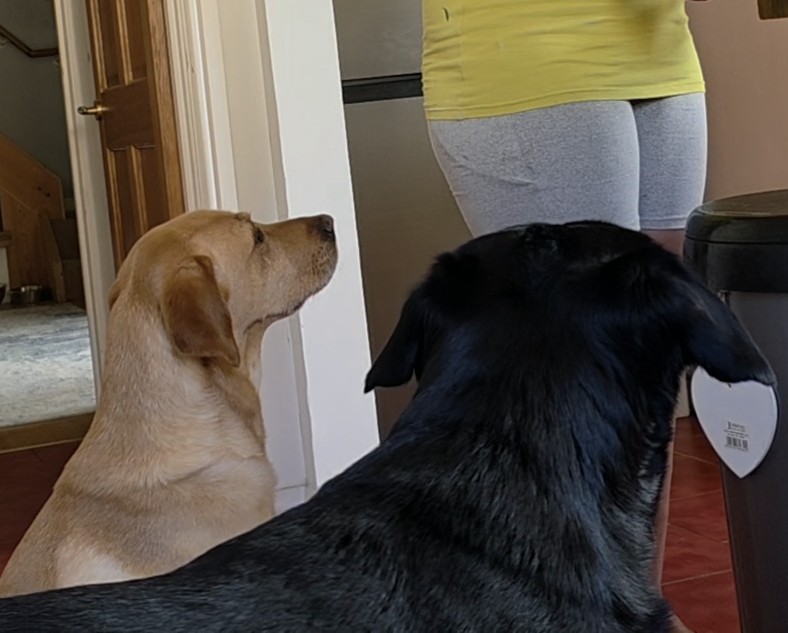
Meet Luna & Sabre
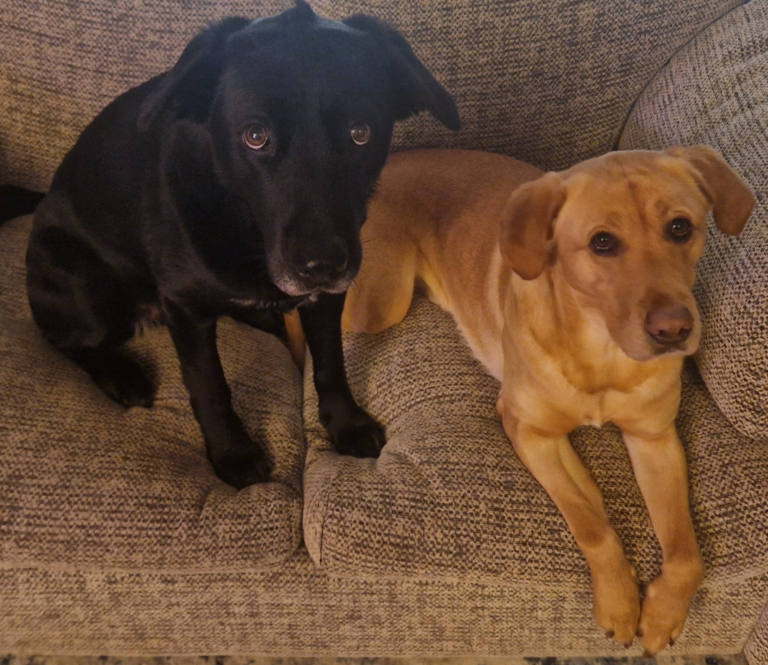
Our Greatest Teachers
Luna and Sabre have shaped not only my understanding of behaviour, but the Calm First approach that sits at the heart of everything we do. Every day with them continues to teach me something new.
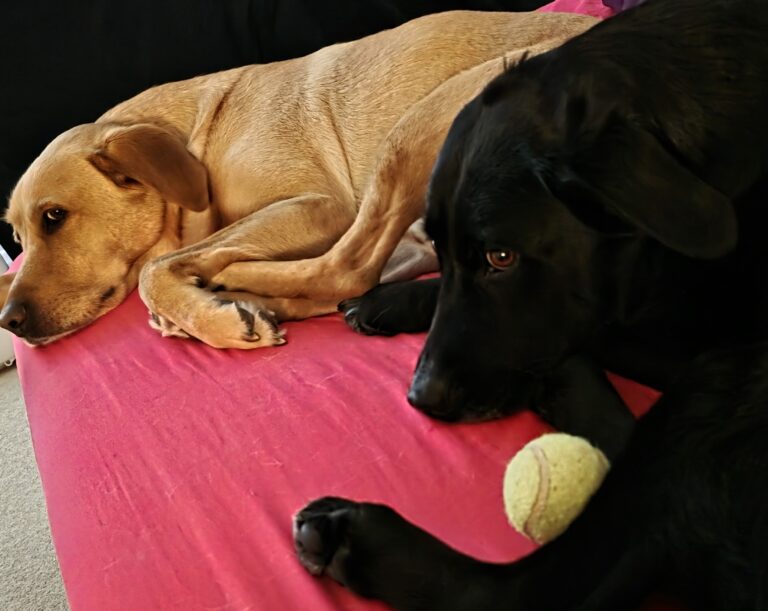
Calm Is Built.
Calm isn’t the end goal—it’s the foundation that makes learning possible. The right emotional state helps dogs learn more effectively, adapt with confidence and make good choices.
Real Life, Real Training
The most important learning doesn’t just happen during training sessions. Everyday moments at home, on walks and out in the real world are where lasting habits are built together.
Like many owners, my understanding of dogs didn’t come from theory alone—it came from living with them.
Luna and Sabre have both played a huge role in shaping how I train. Through them, I’ve seen first-hand how easily dogs can become overwhelmed, overstimulated, or misunderstood when training focuses too much on control and not enough on emotional flexibility.
They’ve been part of the trial, error, adjustment, and refinement that led to the calm-first method you see today.
Not perfect dogs. Real dogs. And that’s exactly the point. Their journey changed how I see behaviour—and ultimately shaped Good Owners.
Real-Life Experience
Alongside formal qualifications, a large part of my experience comes from years of working with my own dogs and helping friends and family with theirs.
This includes:
- Overexcited, high-energy dogs
- Dogs struggling with calm around people or other dogs
- Everyday behaviour challenges that don’t need a behaviourist—but still need the right approach
This kind of experience matters because most owners aren’t dealing with textbook cases. They’re dealing with real-life situations, in real homes, with limited time and energy.
That’s exactly where this method is designed to work.
What We Believe
- Emotional flexibility comes before training
- Calm is something you build—not something you demand
- Progress should feel achievable, not overwhelming
- Training should fit the owner, not the other way around
We don’t rush dogs through behaviours.
We don’t rely on pressure or frustration.
And we don’t expect owners to operate at full capacity all the time.
A Different Approach
Good Owners bridges the gap between traditional training and behaviour support.
If a dog needs clinical or specialist intervention, we will always recommend the right level of support.
But for many dogs, the issue isn’t a lack of training—it’s a lack of calm, clarity, and structure in how that training is introduced.
That’s where we come in.
Professional Boundaries
Ethical training also means recognising when another professional is best placed to help.
We do not accept dogs with a history of multiple bite incidents. In these situations, we will always recommend referral to a veterinary surgeon or a Clinical Animal Behaviourist who can provide the appropriate level of assessment and support.
Our Goal
Whether you’re welcoming a new puppy, supporting a rescue dog, or helping a dog who finds everyday life difficult, our goal is always the same:
To help both ends of the lead feel calmer, more confident, and better understood.
Because calm isn’t a personality trait.
It’s a skill we can help dogs build.
Calm First. Always.
If you think calm-first training may be the right fit for your dog, you can explore our services or get in touch for a gentle, no-pressure discussion.